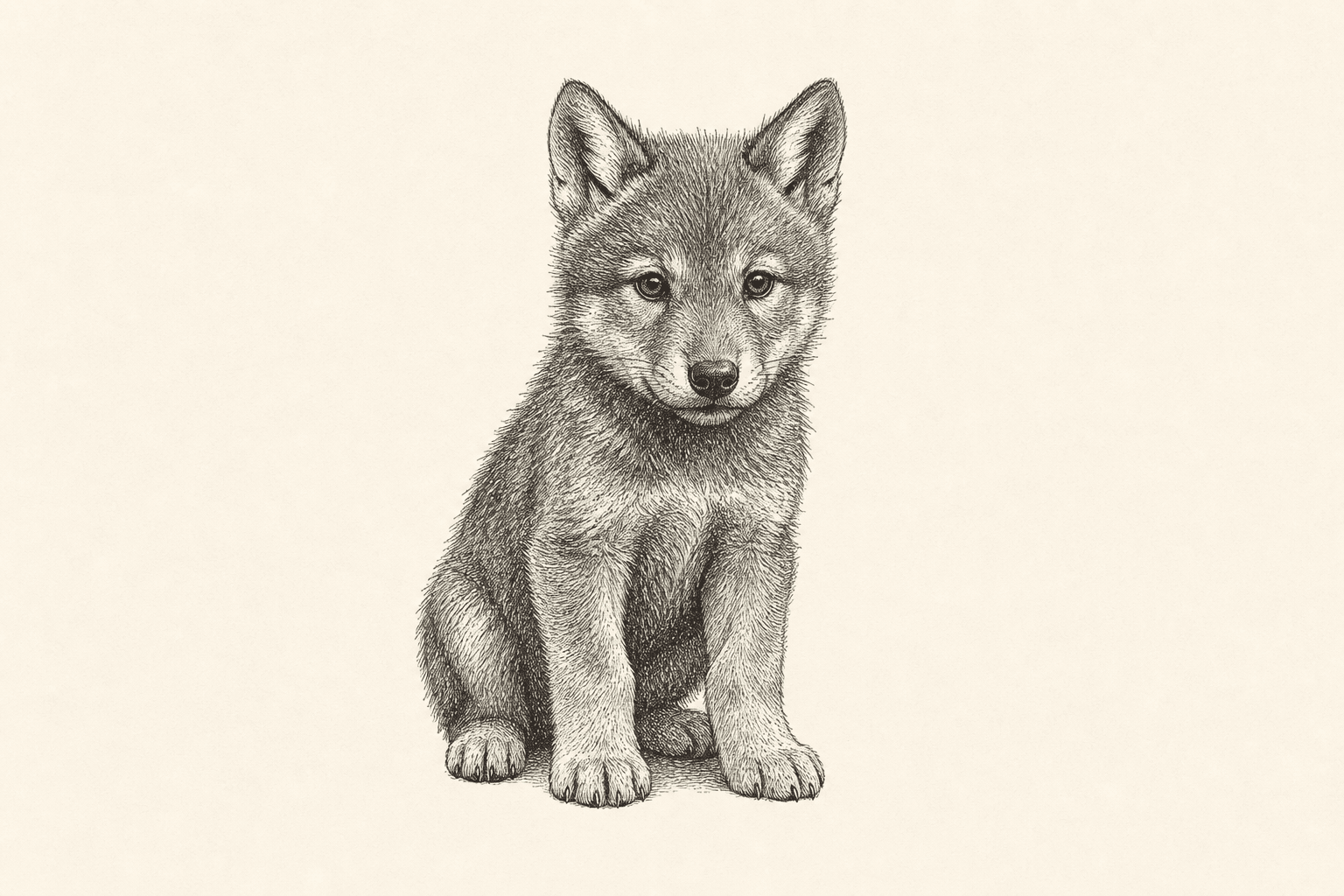
Five red wolf pups were born May 5 at Durham's Museum of Life and Science, the third straight year the facility has successfully bred the critically endangered species.
The litter, three males and two females, is the first offspring of Carolina, a 7-year-old female born at the museum in 2019, and Jacques, a male born in Washington in 2016. The pair were matched in 2024 as part of a national effort to diversify the red wolf gene pool. All five pups are in good health, the museum's animal care and veterinary teams confirmed.
Fewer than 300 red wolves are alive in human care and the wild combined. "Each pup born is crucial for the species' survival and offers hope for the broader Red Wolf population," said Sherry Samuels, the museum's senior director of Animal Care. "Institutions like ours hold a significant responsibility, especially as we face limited numbers of wolves in the wild."
The species once ranged across the southeastern United States. By the 1960s, predator-control programs, habitat loss, vehicle collisions, and shootings had gutted the population. Red wolves were declared endangered in 1973. In human care they can live up to 15 years. In the wild, rarely past seven.
Today the only wild red wolf population lives in five counties in northeastern North Carolina, in and around the Alligator River National Wildlife Refuge. The Museum of Life and Science is one of about 50 partner facilities in the U.S. Fish and Wildlife Service's Red Wolf Recovery Program and the Saving Animals From Extinction initiative. The museum received its first red wolf in November 1992 and has had eight additional litters since then.
The red wolf habitat is currently closed to visitors. A SAFE meeting this summer will help determine next steps for the five pups and their parents, including any potential path toward wild integration.